Climate change and nature loss are becoming prominent concerns for investors, not just environmentalists.
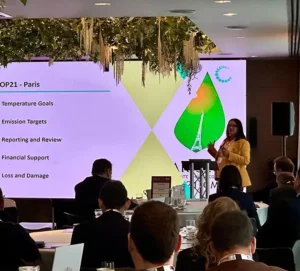
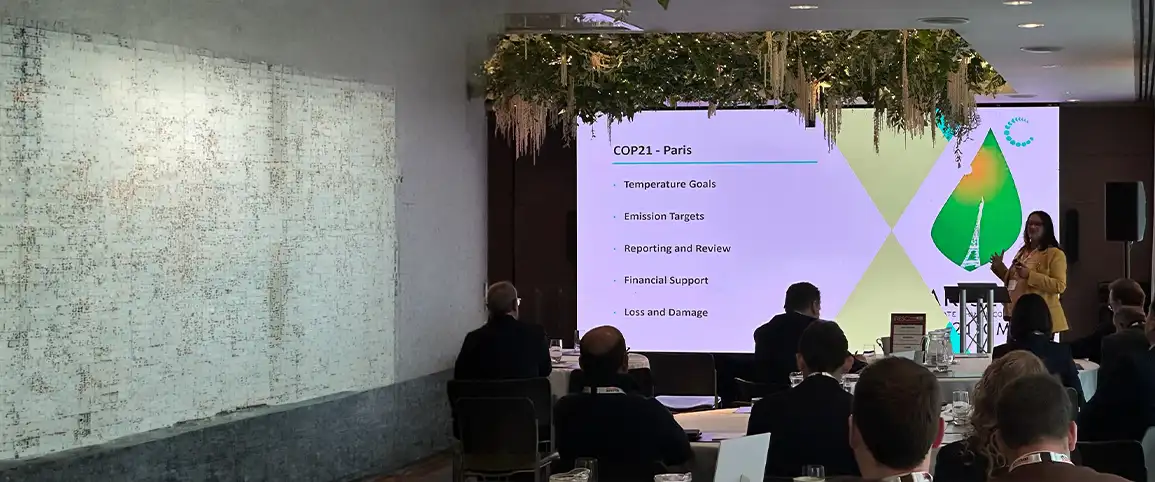
Speaking at the “Investing in the Real Economy and Societal Change” (IRESC) forum organised by Clear Path Analysis in London on the 11th of November, Sarah Mukherjee MBE, Chief Executive of the Institute of Sustainability and Environmental Professionals (ISEP, formerly IEMA), said the imperative for acting on climate and nature now rests on business risk and fiduciary duty, not solely to meet sustainability quotas.
Mukherjee said droughts, floods, and failing ecosystems are alarmingly driving record insurance claims, pushing up food prices and cutting farm output. The costs that go uninsured fall on households, lenders, and now, public finances Mukherjee urged investors to look closely at environmental research, and “use that as part of your own research portfolio and your assessing risk”. Therefore, climate risk matters less as a reputational issue than as a source of underwriting, credit, and fiscal risk.
For insurers, the stakes are twofold. On the underwriting side, more frequent floods, droughts, and subsidence are pushing up claims and making some risks harder to price, raising the prospect of homes and businesses becoming uninsurable. On the investment side, the same physical risks sit inside the property, mortgages, infrastructure, and government bonds that insurers hold to support their liabilities.
Mukherjee said that insurers are also well placed to act, because the premiums they set can reward customers that adapt and reduce their risk.
Sign in to read the full article or Register for FREE and get access
SIGN IN
FREE PREMIUM ACCOUNT
Don't have an account yet?
To access
the premium content FOR FREE on Insurance Investor, you must first sign in to your account.
Not subscribed? Sign up today for free
Why subscribe? Click here for more details